Anatomy of an item.
Not every product needs the same kind of digital identity. A bottle of wine, a battery, a fridge and a limited-edition trainer all belong on SmartLinks — but they don't all live at the same depth. This page maps the levels, and the four kinds of item record we use to represent them.
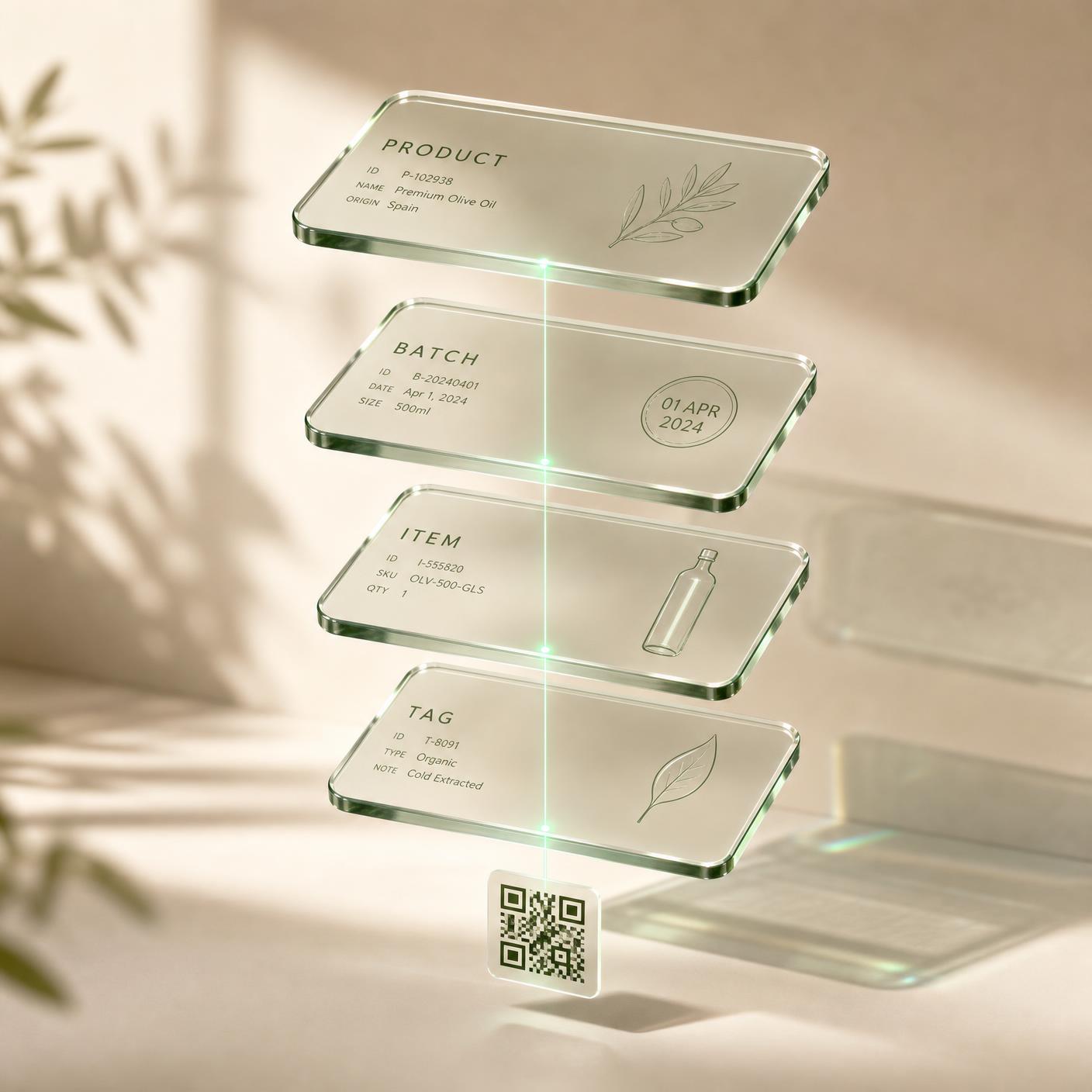
Four levels, from the abstract to the physical.
A SmartLinks record isn't one thing — it's a stack. Depending on what you're selling, you might use every level, or just two.
Everything true of every unit ever made: name, description, materials, care, compliance, imagery. One record per SKU.
Colourway, size, harvest, production run. Everything true of a group of units. Inherits from the product.
The identity of a single unit — with its owner, history, attestations and life cycle. Four flavours, coming up next.
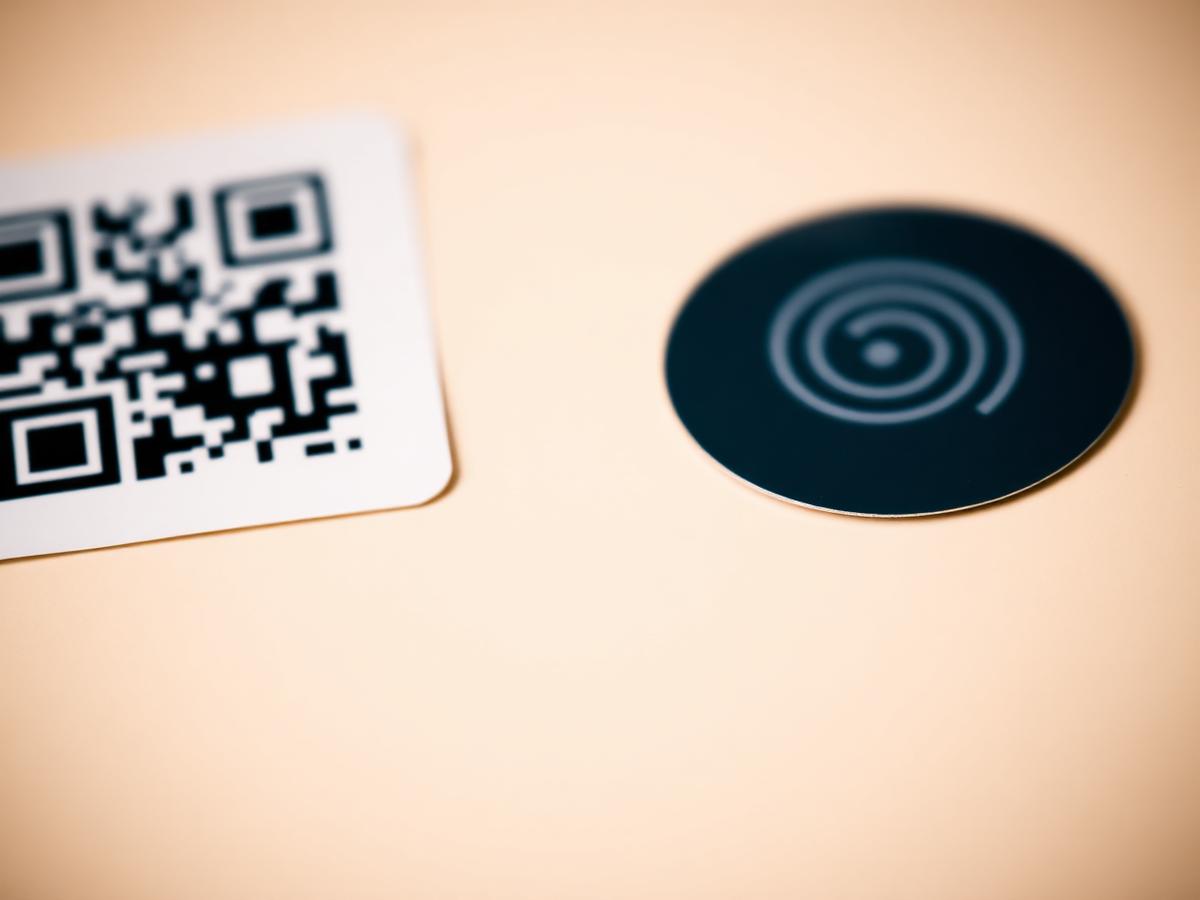
The QR code or NFC chip on the product. A digital twin of the tag itself — so it can be pre-printed, then bound later.
Not every item needs the same depth of identity.
Under the hood, SmartLinks supports four distinct item-record types — chosen per use case, often mixed within the same brand.
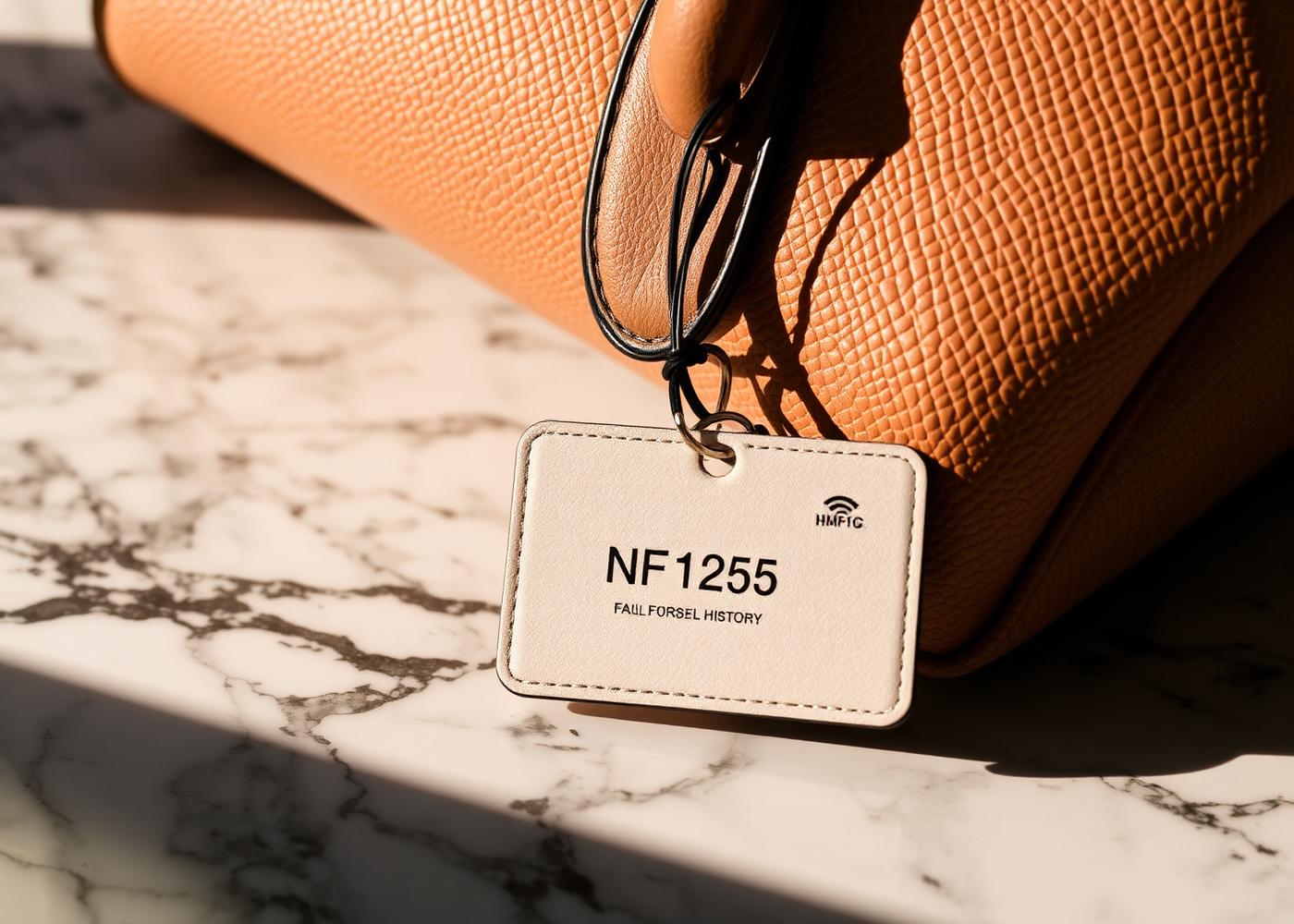
Serialised item record
- Unique serial identity
- Named owner & transfer history
- Attestations (repairs, service, provenance)
- Custom data & lifecycle events
Deep and rich. Exists from the moment it's manufactured.
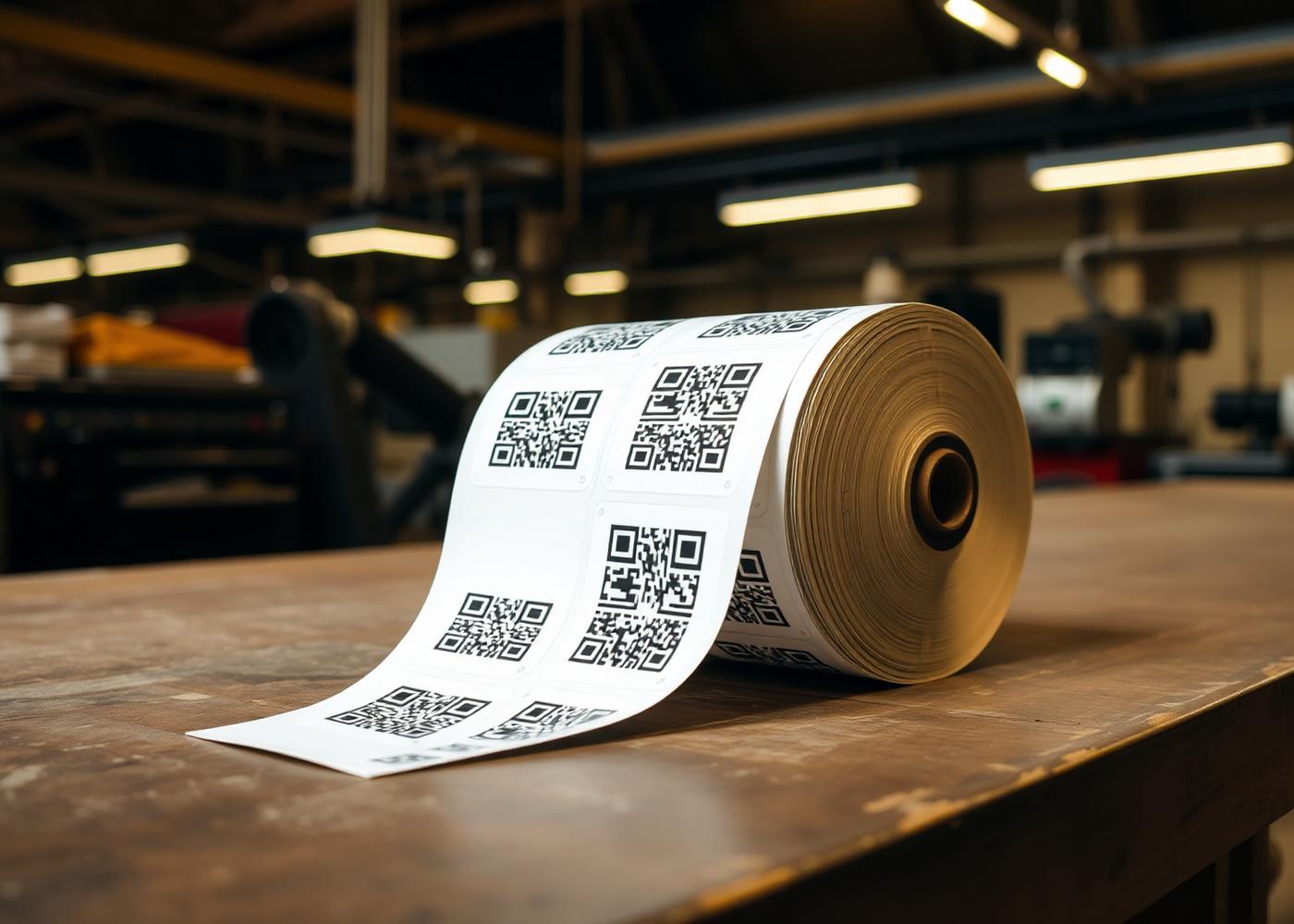
Tag-linked record
- Tag exists as a digital twin first
- Bound to a product later
- Item record lazy-created on claim
- Encrypted NFC (SUN / 424) supported
Great for printers, packaging vendors, and any workflow where tags ship before products.
Virtual / algorithmic ID
- Cryptographically generated
- Never stored in the database
- Verifiable for authenticity without a record
- Instantiated only when someone claims or acts
The cheapest way to give every unit a unique, secure identity at scale.
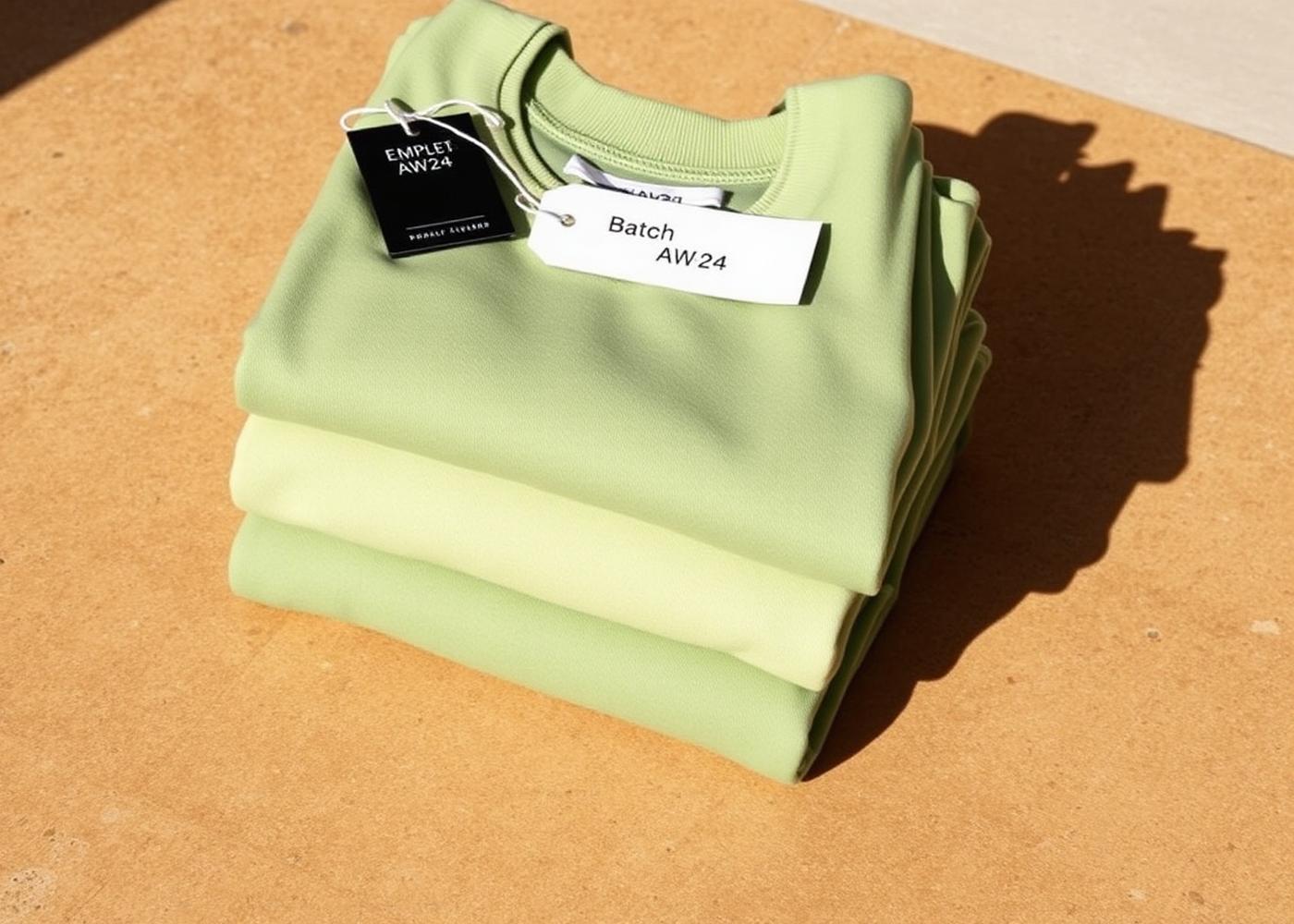
Batch / variant record
- Shared attributes for the whole group
- No per-unit instance required
- Can be promoted to per-item later
- Ideal for FMCG and compliance batching
Lightweight and fast to deploy. Sits between the product and any per-item records.
Six real-world examples, matched to a record type.
Two ways in, two flavours of record, one clean bill.
We only bill for identities coming into the system. Either you prepay by buying tags, or you mint virtual items for a fraction of a penny and then pay a bit more the moment they materialize into a real, tracked item record.
Prepaid via tags
When you buy a batch of SmartLinks tags — QR sheets, NFC labels, pre-encoded rolls — the item record is prepaid at print time. One invoice, done. Whether the tag is ever scanned doesn't change the bill.
Virtual items
Bulk-minted virtual records — battery IDs, self-printed labels, algorithmic serials. Super cheap to bring into being. The record exists, but the meaningful money moment is when it gets materialized into something real.
When a virtual ID materializes — or a tag is first scanned into life — it becomes one of two kinds of record. The choice sets the price and the data surface.
Registered item record
The record exists and has a history — used internally. Asset tags, batch traceability, ops tooling. No consumer identity attached, no CRM footprint. Cheaper because the data surface is smaller.
Claimable / owned item record
The record is wired for a real person to attach to it — consumer lifetime, traced ownership, engagement. Comes with the CRM / Customer capability. Priced higher because that identity carries real GDPR weight and real commercial value.
Attestations, service records, ownership transfers, app interactions — none of these are metered. Once a record exists, its life on the platform is included. You pay for identities coming into the system, not for the useful things you do with them afterwards.
Ready to give your products an identity?
Start building with a handful of item records, or book a walkthrough and we'll map the model to your catalogue.
30-minute call · No commitment · We'll show you a live product
Keep exploring SmartLinks.
Where this fits in the wider platform.
How SmartLinks works
The end-to-end walkthrough — scan, identity, record, audience.
Read How SmartLinks worksGS1 Digital Link
The resolvable URL that powers every item record and tag.
Read GS1 Digital LinkPlatform DPP
How item records become Digital Product Passports.
Read Platform DPPSmartLinks Hub
The product page every item record can point at.
Read SmartLinks Hub70+ modular apps
What the record can do once it exists — support, repeat purchase, resale, loyalty.
Read 70+ modular appsPrint & tag partners
How pre-encoded QR and NFC tags flow into item records.
Read Print & tag partnersNot sure which record type your product needs? We'll map it with you.
30-minute walkthrough: bring a product, we'll show which of the four item-record types fits — and what the tag, batch and product layers look like around it.